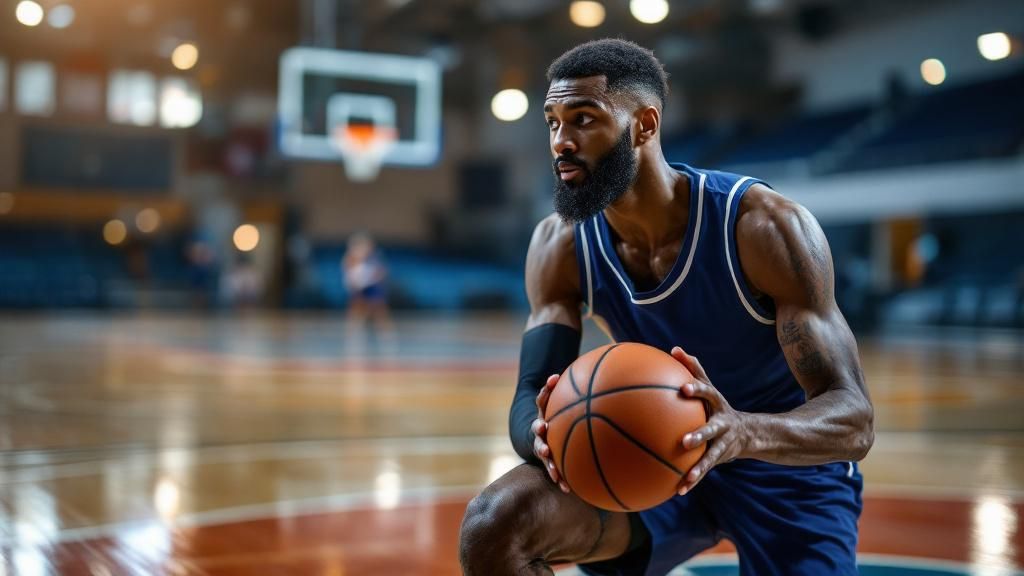
Professional basketball places extraordinary physical toll on athletes’ bodies, yet many players cut their careers short due to avoidable injuries. From elite NBA stars to emerging talents, understanding and implementing robust injury prevention strategies has become essential to sustained careers in professional basketball. This article discusses scientifically-supported techniques—including strength conditioning, flexibility work, and recovery strategies—that allow athletes to protect their health and extend their professional lives. Discover how prioritising injury prevention transforms careers and increases players’ financial returns and legacy.
Importance of Preventing Injuries in Elite Basketball
Professional basketball represents one of sport’s most athletically rigorous disciplines, requiring dynamic bursts of activity, rapid directional changes, and sustained high-intensity performance. The constant training demands, combined with the intensity of competitive play, places significant stress on players’ bodies and joints. Injuries sustained during a career can substantially reduce earning potential, reduce playing time, and ultimately truncate what might otherwise be a rewarding career span. Consequently, implementing comprehensive injury prevention strategies has become crucial for maximising career longevity and sustaining optimal physical condition throughout a player’s career.
The economic impact of career-altering or career-threatening injuries is critically important within the professional game. Players who sustain good health throughout their careers typically earn substantially more across their careers compared to those affected by physical setbacks. Beyond economic factors, preventative measures enable athletes to compete at their highest level, contribute meaningfully to their teams, and establish enduring impacts. Clubs increasingly recognise that supporting injury prevention schemes yields significant returns, decreasing medical expenditure whilst concurrently boosting squad results and competitor well-being.
Modern sports science has established definitively that proactive injury prevention yields superior outcomes compared to reactive treatment approaches. Players who adopt training regimens mobility work and recovery methodologies suffer fewer injuries and maintain excellent physical fitness. This evidence-based approach has substantially reshaped professional basketball, encouraging organisations to focus on prevention. Understanding the causes of typical basketball injuries—including ankle sprains, knee ligament damage, and shoulder impingements—enables focused prevention methods that substantially reduce occurrence rates.
The psychological benefits associated with injury prevention strategies surpass physical wellbeing. Players who demonstrate confidence in their training readiness demonstrate improved mental resilience, enhanced focus during competition, and higher levels of satisfaction with their working life. Conversely, athletes struggling with recurrent injuries often experience anxiety, reduced self-belief, and reduced enjoyment of the sport. By focusing on injury prevention, players build both physical resilience and emotional resilience, forming a solid base for extended, successful professional careers.
Organisational culture markedly shapes injury prevention effectiveness within professional basketball teams. Clubs that emphasise preventative measures, ensure adequate recovery time, and support player wellbeing programmes routinely achieve lower injury rates and superior performance metrics. Forward-thinking organisations recognise that comprehensive injury prevention programmes constitute strategic investments rather than expenses, generating returns through lower healthcare expenditure, greater player accessibility, and enhanced competitive outcomes. This cultural shift has fundamentally reshaped professional basketball.
The market dynamics of modern professional basketball increasingly benefits organisations prioritising injury prevention excellence. Teams implementing sophisticated monitoring systems, personalised conditioning programmes, and evidence-based recovery protocols gain substantial competitive advantages. Players within these environments generally experience longer playing careers, perform at higher levels, and achieve greater career satisfaction. As injury prevention approaches continue advancing, organisations adopting these developments establish themselves favourably within professional basketball’s increasingly competitive environment.
Critical Harm Prevention Approaches
Implementing thorough injury prevention strategies represents one of the most effective methods for extending professional basketball careers. Modern sports science has demonstrated that forward-thinking strategies significantly reduce the incidence of frequent basketball-related injuries, including ankle sprains, ligament injuries to the knee, and impinged shoulders. Teams investing in structured prevention programmes witness fewer missed games, enhanced athletic performance, and greater team consistency. These scientifically-supported methods form the cornerstone of current best practices in athletic care.
The most successful basketball organisations prioritise injury prevention as equally as they do skill development and tactical training. By integrating prevention protocols within training schedules, players develop resilience and body awareness that converts into longevity. Research consistently shows that athletes undertaking comprehensive prevention programmes sustain substantially reduced career-threatening injuries. This commitment to preventative measures ultimately preserves players’ long-term health whilst maximising their professional value and competitive output.
Physical Conditioning and Strength Programmes
Comprehensive strength and conditioning programmes form the cornerstone of effective injury prevention in professional basketball. These research-backed regimens focus on developing muscular stability, enhancing joint function, and refining functional movement patterns aligned with basketball demands. Well-designed programmes address individual player weaknesses, previous injury histories, and positional requirements. Regular assessment and programme adjustments help athletes achieve maximum physical fitness across challenging seasons whilst lowering injury occurrence.
Elite basketball programmes employ specialised strength and conditioning coaches who tailor conditioning work to each athlete’s individual requirements and situation. These practitioners utilise advanced testing protocols to detect biomechanical deficiencies and strength asymmetries that make athletes more susceptible to injury. Progressive loading, proper exercise technique, and appropriate rest protocols support long-term athletic progression. When implemented effectively, strength conditioning improves sporting capability whilst simultaneously offering injury prevention advantages that prolong athletic longevity.
- Develop trunk stability through specific core and lower back strength training
- Increase ankle stability via proprioceptive training and balance training
- Strengthen muscles around the knee to reduce ligament injuries effectively
- Enhance shoulder support through rotator cuff and scapular strengthening
- Optimise functional movement capacity patterns specific to basketball
Extended Professional Advantages and Recovery Frameworks
Extended Gaming Duration Via Preventive Steps
Implementing thorough injury prevention strategies markedly prolongs professional basketball careers, allowing players to maintain peak performance levels throughout their playing years. Athletes who emphasise injury prevention training, mobility work, and recovery protocols demonstrate remarkable career longevity compared to those neglecting such measures. By identifying possible risk factors before injuries occur, players preserve their physical resources and maximise their earning potential. This preventive methodology transforms careers, enabling athletes to maintain competitive excellence well into their thirties, substantially increasing lifetime earnings and professional achievements whilst minimising recovery periods.
The economic consequences of prolonged playing careers is critically important, as each additional season represents considerable salary payments and sponsorship prospects. Players who avoid serious injuries secure better pay, obtain extended agreements, and attract premium sponsorship deals. Apart from financial rewards, longevity allows athletes to establish mentoring positions, make substantial contributions in team success, and build enduring legacies. Injury prevention thus becomes an dedication towards both immediate financial security and extended professional viability, showing that fitness-focused players eventually attain greater career satisfaction and accomplishment.
Advanced Recovery Protocols and Clinical Support Services
Modern elite basketball teams employ advanced recovery systems combining state-of-the-art equipment, personalised medicine, and scientifically-supported recovery methods. These systems include cryotherapy, pressurised oxygen facilities, advanced physiotherapy, and movement assessment, all intended to enhance athlete recovery between competitions. Individualised recovery programmes address each player’s unique physiological requirements, ensuring optimal preparation for upcoming games. By integrating specialist sports knowledge with clinical oversight, teams create extensive care frameworks that detect initial indicators of overtraining or emerging injuries, enabling timely intervention before conditions deteriorate into career-threatening damage.
Regular health checks, including high-resolution diagnostics and biomechanical evaluation, allow medical staff to uncover minor movement abnormalities or structural vulnerabilities prior to injury development. Integrated teamwork involving strength coaches, physiotherapists, sports medicine practitioners, and dietary specialists provide comprehensive player support addressing physical, psychological, and nutritional aspects. This integrated approach facilitates personalised injury prevention strategies designed for individual risk profiles. As a result, athletes receive research-backed direction improving competitive performance whilst reducing injury likelihood, substantially changing how elite basketball teams manage player wellbeing and career longevity.
Developing Long-term Fitness Practices to support Professional Durability
Developing sustainable athletic habits during early career stages creates a solid foundation for long-term health and performance maintenance. Players who consistently engage in structured conditioning, flexibility routines, and recovery practices cultivate resilience against injuries and setbacks. These habits develop into established lifestyle practices rather than short-term solutions, ensuring consistent application throughout careers. Educational initiatives teaching players about injury prevention importance, combined with organisational support systems, promote the uptake of health-conscious behaviours. When athletes understand direct connections between preventative practices and career longevity, they demonstrate greater commitment to implementing comprehensive wellness strategies, ultimately attaining better sustained results.
Guidance provided by veteran players who prolonged careers via injury management generates significant cultural changes across organisations, normalising health-focused practices among younger athletes. Sharing experiences regarding recovery benefits, effectiveness of preventative strategies, and outcomes of career extension inspires developing athletes to place emphasis on injury prevention from career commencement. Organisational cultures emphasising player wellbeing above short-term performance gains create environments where players willingly invest in preventative practices. This cultural transformation, paired with accessible recovery resources and medical expertise, establishes ideal circumstances for players to sustain lengthy, productive careers whilst maintaining physical wellbeing and professional satisfaction.
